Moving into your first home in Colchester feels equal parts pride and peril. The keys are in your hand, the survey is filed away, and the boiler rumbles like a content cat, until it doesn’t. Plumbing is one of those systems that hums along in the background for years, and then suddenly demands attention at the worst possible moment. With a bit of grounding in how domestic plumbing actually works in and around Colchester, you can make smarter calls, keep costs in check, and know when to reach for an emergency plumber Colchester homeowners trust.
The lay of the land: how homes here are plumbed
Colchester’s housing stock stretches from Victorian terraces and 1930s semis to post-war estates and new-build developments around Mile End, Stanway, and beyond. That means a mix of plumbing designs and materials in the wild. You’ll encounter copper in older properties, often paired with compression fittings and soldered joints, and a growing amount of plastic pipework (usually PEX or polybutylene in older refurbs) with push-fit fittings in modern renovations. Neither is inherently better, but each has quirks. Copper handles heat well, resists UV, and is easy to solder, although it can pit or corrode if water chemistry is off. Plastic bends around tight runs and speeds up installations, but dislikes UV exposure and needs proper support to avoid creep at high temperatures.
Most houses here run on mains pressure cold water fed from the street. Hot water is where systems diverge. You’ll typically see one of three setups:
- Conventional boiler with hot water cylinder: common in 1960s to 1990s homes. Expect a vented cylinder with a loft cold-water storage tank in older layouts, or an unvented pressurised cylinder in more recent retrofits. Combi boiler: common in smaller homes and new-build flats. Hot water is produced on demand, so no cylinder or tank. System boiler with unvented cylinder: a halfway house, popular in bigger homes, providing good simultaneous flow for multiple bathrooms.
Each system affects your water pressure, shower performance, and how you troubleshoot issues. If you don’t know what you have, follow the clues. A big white cylinder in an airing cupboard means stored hot water, and if there’s also a plastic tank in the loft, it is likely vented. No cylinder, just a boiler in the kitchen or utility room, usually points to a combi.
Keep a map: learning your valves, meters, and controls
When I hand over a job, I always leave a sketch of shut-offs and drains. Make one yourself if it’s missing. First, find the stopcock, usually where the mains enters the building. Common spots include under the kitchen sink, in a downstairs WC, behind a plinth, or near the water meter if it’s inside. Test it gently. If it takes two hands and a prayer to turn, plan to free it up or replace it before an emergency tests it for you. Outside, the street stop tap sits under a small cover near the boundary. Keep that lid exposed, not buried under gravel.
Next, mark any isolating valves on sinks, toilets, appliances, the boiler’s cold feed, and the cylinder’s supplies. Spin them a quarter turn once a year to keep them from seizing. Note the pressure gauge on combis and unvented cylinders, the filling loop location, and the outside drain points for radiators. This map turns panic into a checklist when a pipe starts dripping on a bank holiday.
Pressure, flow, and the truth about “weak” showers
Many first-time owners assume the water company is to blame for poor flow. Sometimes that’s true, especially at peak times in dense estates, but more often the bottleneck sits under your floorboards or behind a bath panel. Several culprits recur:
- Undersized main: a 15 mm feed from the street chokes modern demand, especially with multiple bathrooms. Upgrading to 22 mm up to the first tee can transform flow. Limescale: Colchester water is hard. Scale accumulates in shower cartridges, tap aerators, and, over time, inside heat exchangers. A scaled showerhead can lose half its flow without you noticing day to day. Restrictive valves and flexi hoses: some cheap isolators and narrow-bore braided hoses throttle flow even when “fully open.”
Before you swap the boiler or shower, time a simple flow test. Use a 1-litre jug at the kitchen cold tap. Good mains cold should fill it in roughly 2 to 3 seconds, roughly 20 to 30 litres per minute. If you’re below 10 litres per minute at the kitchen cold tap, call your water supplier to confirm street pressure and any known issues. If the kitchen cold is strong but the bathroom shower is feeble, the fix is likely in your pipework or fittings.
Boiler basics without the jargon
Boilers get blamed for almost everything. Understanding the core behaviours helps you rule out wild goose chases and articulate the problem to a plumber Colchester can rely on.
- Combi boilers heat water as it flows. If your tap runs hot then goes lukewarm, the issue could be a scaled plate heat exchanger, a failing sensor, or simply too much simultaneous draw. If it has worked well and is now struggling, scale is the usual suspect, particularly if you haven’t had a service in more than two years. Systems with cylinders deliver steadier hot water. If heat runs out, check the programmer times and cylinder thermostat setting. If water is warm but never truly hot, suspect a faulty stat, a tired three-port valve, or a boiler that isn’t firing for hot water. Pressure matters. On sealed systems you want 1.0 to 1.5 bar when cold. If it drops daily, look for weeping radiator valves or drips at the pressure relief discharge outside. Topping up weekly is not normal, and constant topping up accelerates corrosion.
Annual servicing isn’t just for the sticker. A good service includes combustion checks, cleaning of the condensate trap, inspection of seals, and a sanity check of water quality. Ask for the benchmark to be updated and keep the paperwork. It helps when you sell, and it helps you hold installers to account.
The quiet threat of hard water
Hard water makes itself known slowly. In Colchester, limescale will eat into appliance efficiency, blur glass, and shorten the life of cartridges and heating elements. New owners often panic-shop softeners. They have their place, but start smarter.
Install a scale reducer on the cold feed to the boiler or hot water circuit. It is a small cost, and it buys time. Clean or replace aerators on taps once or twice a year. If you have a combi, a thorough descale of the plate heat exchanger every few years often restores performance. With cylinders, consider an annual check of immersion elements and temperature settings. At 60 degrees Celsius, you reduce legionella risk while limiting scale precipitation. Go much hotter and you feed the problem.
Full ion-exchange softeners dramatically reduce scale throughout the house, a luxury in multi-bathroom homes with high-end fixtures. The trade-off is space, salt consumption, and a need for a hard water bypass for the kitchen drinking tap. If you go this route, plan where the unit and salt bags will live and ask the installer to provide isolation and a bypass that a normal human can operate without a spanner.
Drains: prevention beats poison
The top three callouts I see on drains are hair clogs, fat build-up, and collapsed clay pipes in older gardens. You can’t control the clay, but you can keep your traps moving.
Avoid pouring fats down the sink. Wipe pans with a paper towel first. Use hair catchers in showers. Once every month or two, pour a kettle of hot water followed by a splash of washing-up liquid down kitchen sinks to emulsify light grease. Enzyme-based cleaners can help maintain flow if used consistently, but they are not magic. If a sink gurgles and the trap feels heavy, remove it and clean it manually. It is a 10-minute job, and you will feel like a hero.
If you own a Victorian or Edwardian terrace, ask for a CCTV drain survey if you notice frequent blockages or bad smells outside. Tree roots love old clay joints. A simple liner fix caught early is cheaper than digging later. For new builds, do a walkaround after heavy rain. Look for slow-draining gulleys or standing water near the foul drain. Developers will often rectify defects under warranty if you document early.
Radiators and the myth of “just needs bleeding”
Bleeding removes air, and that’s necessary, but cool spots on the bottom usually mean sludge. Sludge forms as oxygen in fresh top-ups reacts with steel radiators, creating magnetite. If you have been topping up pressure often or moved into a home that has, expect trouble. Signs include noisy pumps, radiators hot at the top and cold at the bottom, and brown water when you bleed.
A chemical cleanse followed by inhibitor typically suffices for moderately dirty systems. Powerflushing helps on severe cases, but it demands care with older radiators and weak joints. Magnaclean or similar magnetic filters on the return line catch ongoing debris and are a smart add-on for combis. If you upgrade a boiler without addressing sludge, you risk wrecking the new heat exchanger. Skipping water treatment is false economy.
When to call an emergency plumber Colchester residents can count on
There’s DIY, and then there’s damage limitation. Know your line. Urgent calls make sense when water cannot be isolated, when there’s a risk to electrics, when you suspect a gas issue, or when the only toilet has failed.
Here is a short, practical checklist for true emergencies:
- You cannot stop a leak with available isolation valves, or the stopcock fails to close. Water is coming through a light fitting or ceiling seam and you haven’t located the source. You smell gas, or your boiler shows a fault alongside unusual smells or soot. The unvented cylinder’s discharge pipe is running hot water continuously. The property has no heating in freezing weather and vulnerable occupants are present.
If it’s a slow drip under a sink and you can isolate that appliance, you can usually wait until morning. Take photos, mop up, and place a tray under the fitting. For night calls, a good plumber Colchester homeowners trust will talk you through isolation on the phone if possible. Respect anyone who helps you avoid a costly callout.
Leaks, joints, and the path of least resistance
Most leaks begin at joints, not in the middle of a pipe. Push-fit connections that were twisted during installation can weep months later. Compression joints with overtightened olives may seal for a season, then start to drip as temperature cycles loosen them. Soldered joints rarely fail if they were prepared clean, fluxed correctly, and fully heated.
If you’re comfortable, drying a weeping compression joint, backing it off, wrapping with a sliver of PTFE tape over the olive, then retightening snugly, often cures the drip. Don’t wrench blindly. If a push-fit weeps, check that the pipe is fully inserted to the manufacturer’s mark and that the pipe has a clean, square cut with the correct insert. On plastic, always use inserts. Skipping them is a time bomb.
Ceiling leaks are trickier. Water travels. The source is often one or two joists away from where it finally appears. Start above the wet patch. Check bath and shower seals, especially corners and the back edge where the tub meets the wall. A cracked bead of silicone will let in a surprising amount of water that only shows up after a couple of long showers. Resealing properly means removing the old bead, cleaning with a solvent, fully drying, and applying a sanitary-grade silicone. If you just smear over old, moldy silicone, you trap moisture and the leak returns.
Kitchens and appliances: small fittings, big headaches
Dishwashers and washing machines stress test your install every day. Their braided hoses and quarter-turn taps look robust, but they fail without warning, usually just after you’ve left for work. If your machine sits in a cabinet, give yourself visibility. Add a drip tray and a battery water alarm under the appliance. They cost little, and the early alert saves floors.
I often find stop taps to appliances hidden behind rigid cupboards or installed flush against a wall so you can’t turn them. When you renovate, specify accessible isolation for each appliance and sink. Ask for washing machine taps with check valves and proper support to avoid pipework flex when you open and close them.
Under-sink filters and boiling-water taps add more joints in a tight space. They work fine when installed cleanly with proper support and a tidy pipe run. They leak when jammed in at odd angles with plastic tails bent too tightly. If you hear an occasional hiss from under the sink, don’t ignore it. It could be a reducing valve cycling or a micro-leak evaporating before it drips.
Bathrooms that last longer than a trend cycle
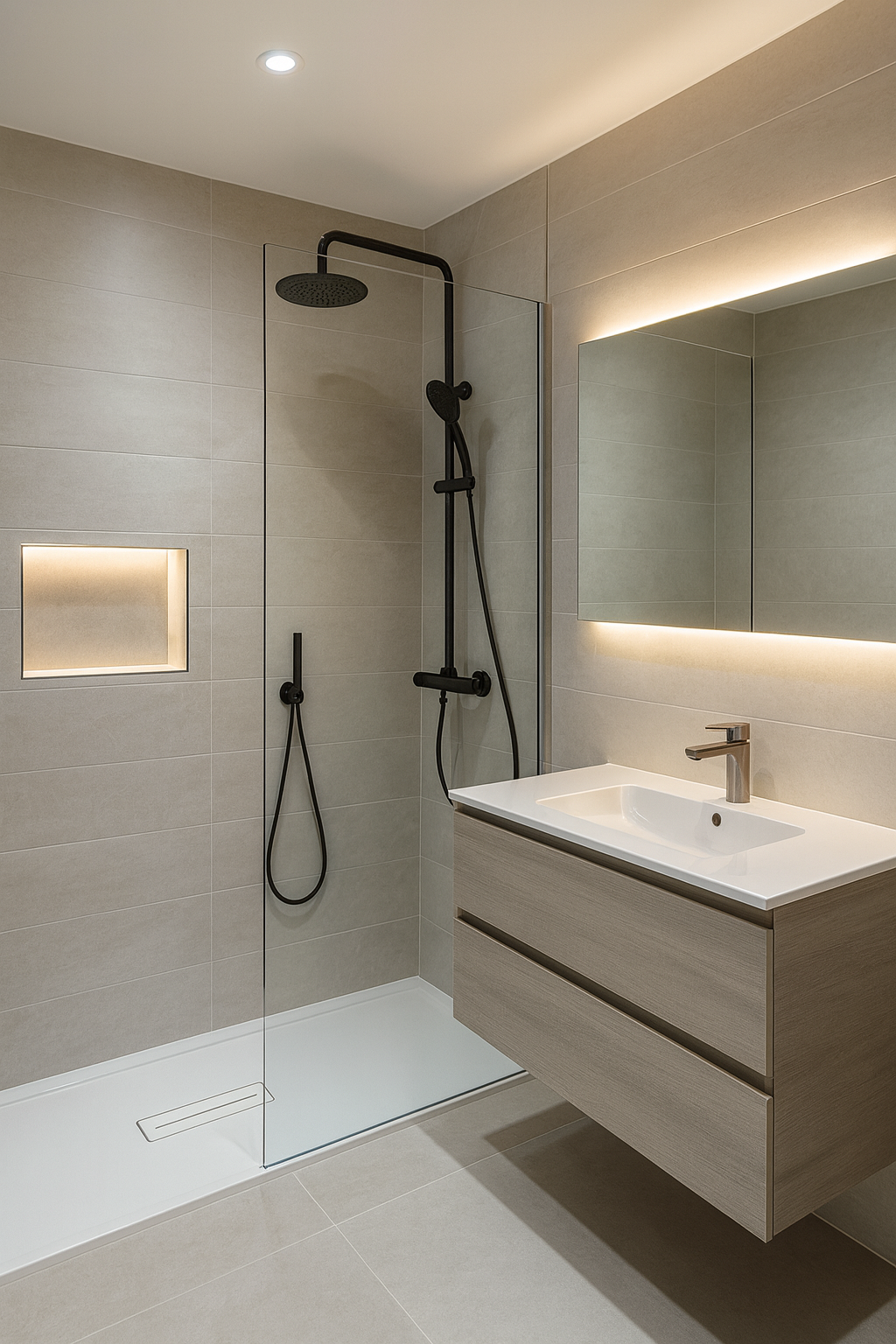
A bathroom looks finished when the tiles shine, but longevity depends on what you don’t see. Backer boards instead of bare plasterboard in wet areas. Sealed, clean cutouts around pipe penetrations. A fall-to-drain that doesn’t rely on hope. First-time buyers often inherit bathrooms built for looks, not age. If you feel soft spots around toilets or baths, investigate. Those are usually damp chipboard and loose fixings. A wobbly toilet will leak eventually, often invisibly into the floor.
Mixer showers fail at the cartridge, not the whole valve. If temperature fluctuates or the handle stiffens, replace the cartridge. Keep the brand and model number in your house file or take a clear photo of the valve before the escutcheon goes back on. For baths and basins, pop-up wastes with fiddly linkages clog and leak more than simple click-clack wastes. When you have a choice, simpler wins.
Water saving without compromising comfort
If you are on a water meter, savings add up. But skimping on shower flow to a trickle is not the only path. Aerators on taps let you feel a full stream with less water. Dual-flush toilets actually work when set up right. Make sure the flush volumes match the cistern’s size. For showers, pressure-balanced mixers paired with a decent handset can deliver a satisfying spray at 7 to 9 litres per minute. That’s a useful benchmark for new choices.
Rainwater harvesting is attractive in larger gardens. If a full system is beyond scope, a simple butt off a downpipe can water beds through dry spells. Keep the diverter clean and the lid on to prevent mosquitoes. For internal greywater reuse, be realistic about maintenance. Filters clog. If you don’t like cleaning strainers, don’t install a system that demands it.
Permits, water regs, and staying on the right side of the rules
DIY has limits. Unvented cylinders require G3 certification to install or modify, and there are real safety reasons for that. Gas work belongs to Gas Safe registered engineers, full stop. Many water regulations fall under common sense: no cross-connection between drinking water and contaminated sources, backflow prevention on garden taps, and suitable air gaps on cisterns. When in doubt, ask your installer how they will comply with the Water Supply (Water Fittings) Regulations. A plumber Colchester homeowners can trust won’t bristle at that question.
If you replace a combi boiler, you will need flue compliance, condensate routing, and an appropriate location for the pressure relief discharge. Some councils, including in Essex, want notification for certain works, often handled by your installer through their self-certification scheme. Keep the certificates. Insurers like paper trails when something goes wrong.
Hiring help without the headaches
Not all plumbers bill the same way, and cost isn’t the only factor. Ask what the callout includes. Some “no callout fee” offers cost more in minimum labour blocks. I advise asking three questions before booking:
- What is your earliest availability for a non-urgent visit, and what qualifies as urgent in your schedule? Do you carry common parts for my boiler brand or will you need a second visit if a sensor or cartridge is faulty? How do you charge for diagnosis versus repair, and do you provide a written estimate before major work?
Get clear photos of the problem and the surrounding pipework. For boiler faults, include the make, model, error codes, and current pressure reading. For cylinder issues, photograph the data plate. Good information trims an hour off many jobs. If you are ringing for an emergency plumber Colchester wide at 2 am, lead with the symptoms and what you have tried. If you’ve isolated the water and power and placed a bucket under the leak, say so. It signals that this is indeed urgent or that it can wait until morning.
Seasonal habits that pay back
Plumbing behaves differently in January than in July. In frosty weather, condensate pipes from condensing boilers freeze where they run externally in undersized, uninsulated 21.5 mm pipe. If your condensate exits outdoors, have it rerouted internally to a waste where possible, or upsized and insulated with a proper fall. A frozen condensate often masquerades as a boiler fault code. Thaw with warm water, not a kettle, and bring the fix forward in your maintenance list.
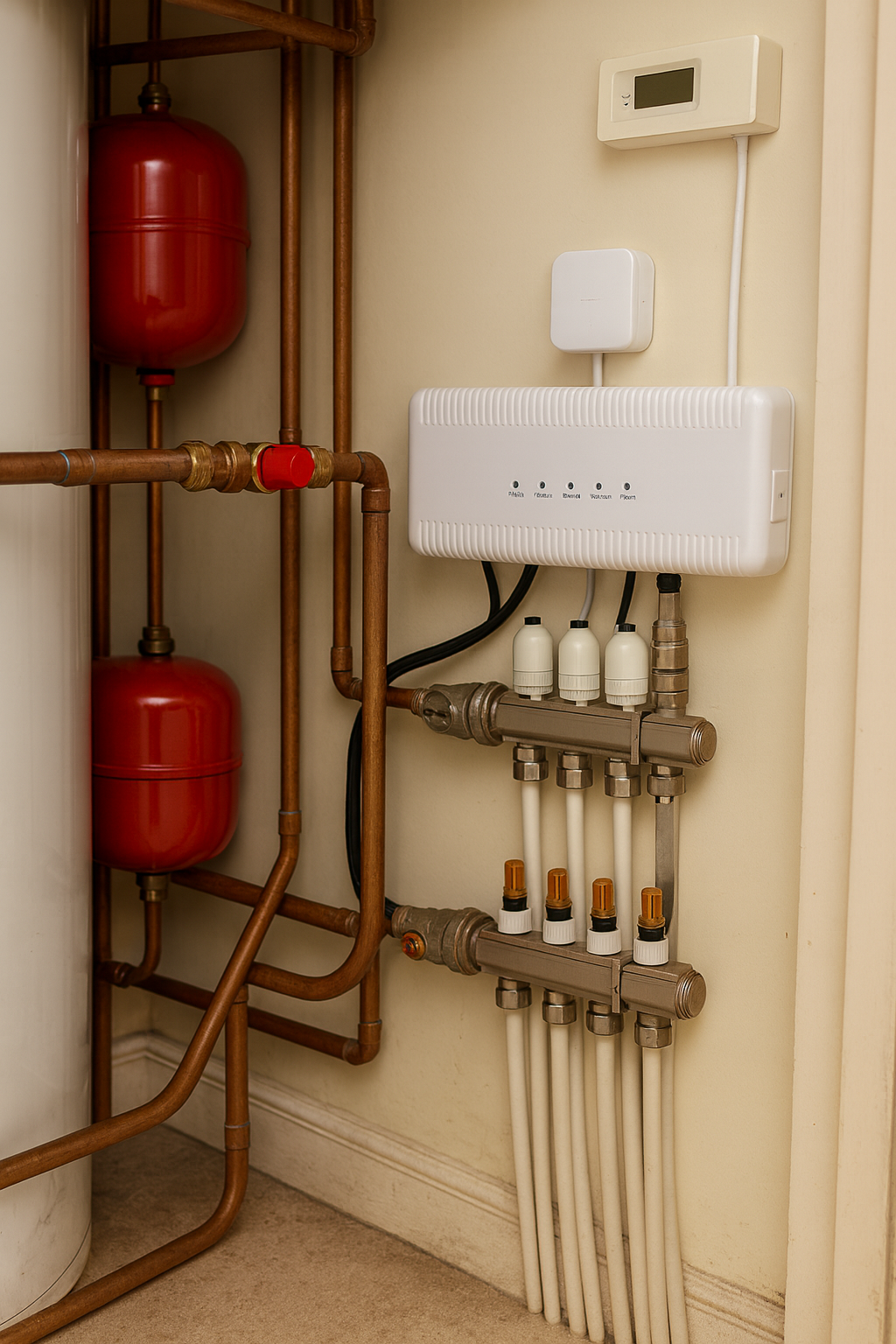
Before winter, walk the house. Open and shut every isolation valve. Bleed radiators and check the system pressure. If your heating loops are zoned, cycle each zone. If you have underfloor heating, test it early in autumn. UFH manifolds that sit dormant all summer can stick. Fifteen minutes of testing now saves two weeks of waiting later.
In summer, take on the jobs that need dry walls and elbow room. Reseal showers, service or replace noisy fans to reduce humidity, and tackle that slow drain. Schedule boiler servicing in the shoulder seasons. Engineers are less booked, and you won’t be shivering if a part has to be ordered.
Budgets, warranties, and the order of operations
First homes often come with a list. The challenge is choosing what to do first. My typical order of operations for plumbing upgrades goes like this: secure the basics, stabilise water quality, then improve convenience.
Start with the stopcock and isolation valves. If they don’t work, nothing else matters. Next, address any obvious risk points: corroded flexi hoses under sinks, a dripping PRV discharge, or an exposed condensate pipe vulnerable to freezing. Then, consider a system clean and inhibitor if the heating circuit shows signs of sludge. Once the core is sound, add helpful extras like a magnetic filter, scale control, or better thermostatic controls.
On warranties, register boilers, cylinders, and softeners promptly. Manufacturers often extend cover when installations are registered and serviced on time. A missed service can void five or ten-year warranties, which is painful when a £250 diverter valve or a £600 fan fails at year three. Keep receipts and service reports in a folder with appliance manuals. When you sell, that folder becomes a quiet value add.
Local realities: parts, response, and the two-call problem
In Colchester, same-day parts availability depends on your kit. Mainstream boiler brands have decent coverage at local merchants, but niche valves and exotic shower cartridges can take two to five working days. If a plumber recommends a brand you’ve never heard of because it is a bargain, ask about parts lead times. Saving £80 now can cost you days without a working shower later.
Response time fluctuates with weather and school holidays. Freezing snaps and hot spells both generate spikes, the former for frozen condensates and burst pipes, the latter for outside tap and garden irrigation mishaps. Keep a short list of two or three reputable contacts. If one is swamped, you can still get advice. A reliable plumbing Colchester network helps you avoid the dreaded two-call problem where the first visit diagnoses and the second fixes, days apart. Good photos and model numbers reduce that risk but can’t eliminate it.
What to keep in your house kit
You don’t need a van full of gear, but a small kit saves you at 10 pm on a Sunday. Stock a roll of PTFE tape, a couple of 15 mm and 22 mm isolation valves, a few fibre washers for taps and compression joints, silicone sealant for bathrooms, a radiator key, and a basic adjustable spanner. Add a head torch and a small wet-dry vacuum if you can justify it. If your home uses plastic pipe, keep the right pipe inserts, not just the brand-agnostic ones. And buy a decent plunger. The old-fashioned one works better than many gimmicks.
Common traps for first-time owners
Two patterns show up again and again. First, people overtighten everything. Compression fittings and tap tails need snug firmness, not brute force. Overtightening ovalises olives and cracks plastic tap bodies. Second, people chase symptoms. They replace a shower head when the cartridge is scaled. They bleed radiators repeatedly while the system quietly sucks in air through a micro-leak. Slow down, observe, and think upstream. Ask what changed. Did performance decline over months, or did it fail on a specific day? That difference often points to scale versus mechanical failure.
One last trap is the bathroom reseal done on a wet substrate. Silicone won’t bond to damp board. If you reseal, dry the area thoroughly. A fan, a dehumidifier, and a day of patience beat any miracle sealant.
When good enough is truly good enough
Perfection is expensive. On a first home, set standards where they count: safety, isolation, and leak-free performance. A bit of cosmetic pipework that doesn’t win Instagram won’t flood your kitchen. A flush that runs for two seconds after filling can wait contact us until you’re ready to swap the valve. On the other hand, a slightly warm cylinder cupboard that suddenly feels hot, or a PRV discharge that drips daily, deserves attention now.
Plumbing rewards the steady hand and the staged plan. Learn your system, keep the water where it belongs, and build relationships with trades you trust. When you finally need an emergency plumber Colchester can provide at speed, you’ll know what to say, what to shut off, and how to get back to normal with the least fuss.